

Running a multi-unit restaurant chain isn’t just about great food, it’s about fighting the same operational battles every single day. Which is even harder when you have multiple locations. Grayrose Culinary Solutions understands your challenges because we’ve lived it alongside operators for decades.

Transient labor, chronic labor shortages, and escalating wages make it nearly impossible to rely on in-house prep while protecting the quality and secrecy of proprietary, house-made items. Finding co-packers willing to run your exact recipe without forcing unrealistic commitments of 250,000 to 500,000 pounds annually is like searching for a needle in a haystack.
Add in food-safety exposure, rising food costs, inconsistent execution across locations, the capital drain of specialized equipment, and the hidden burden of managing dozens of raw ingredients instead of one finished product, and the strain becomes unsustainable.
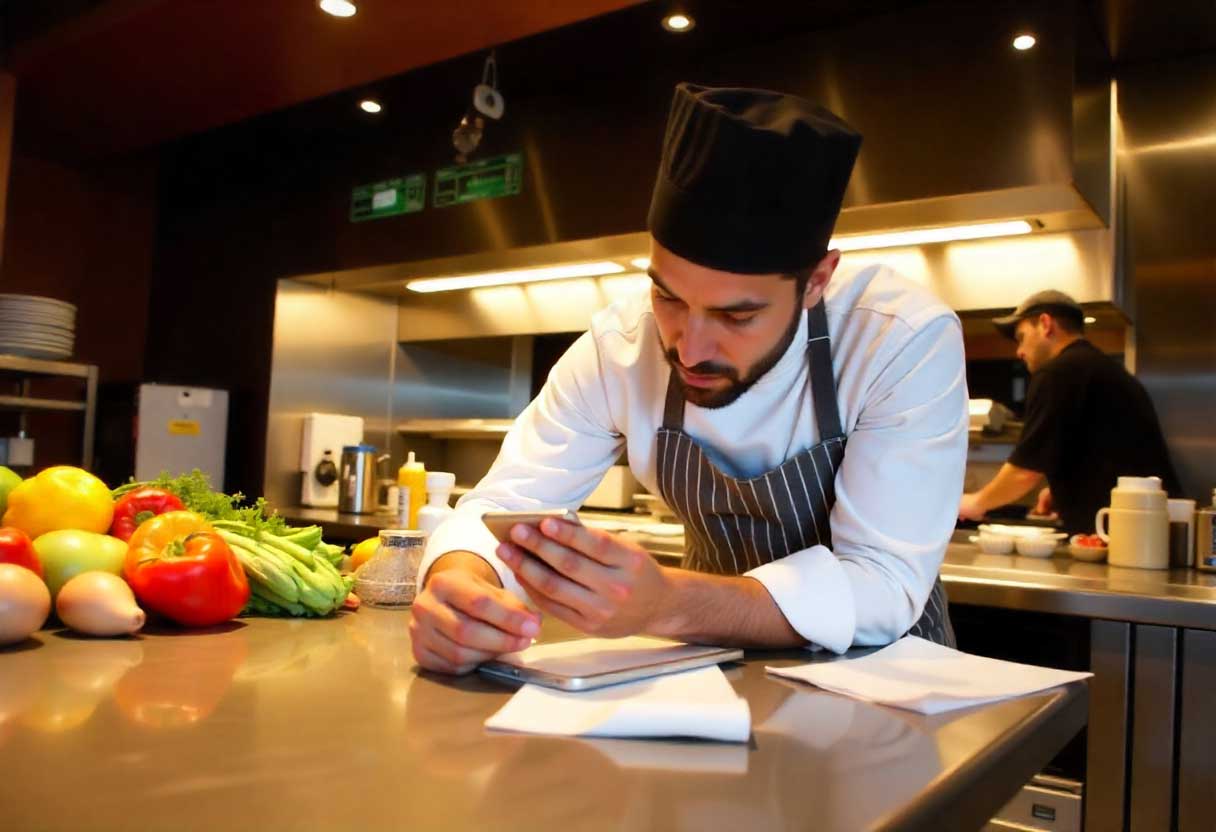
Grayrose doesn’t just understand these challenges; we’ve built a proven solution to eliminate them. Through our established network of vetted production partners, disciplined food-safety systems, and scalable processes, we deliver consistent, ready-to-use proprietary items at achievable volumes—reducing labor dependency, controlling true food cost, protecting your brand standards, and giving every location the same result every time.
Labor Dependency
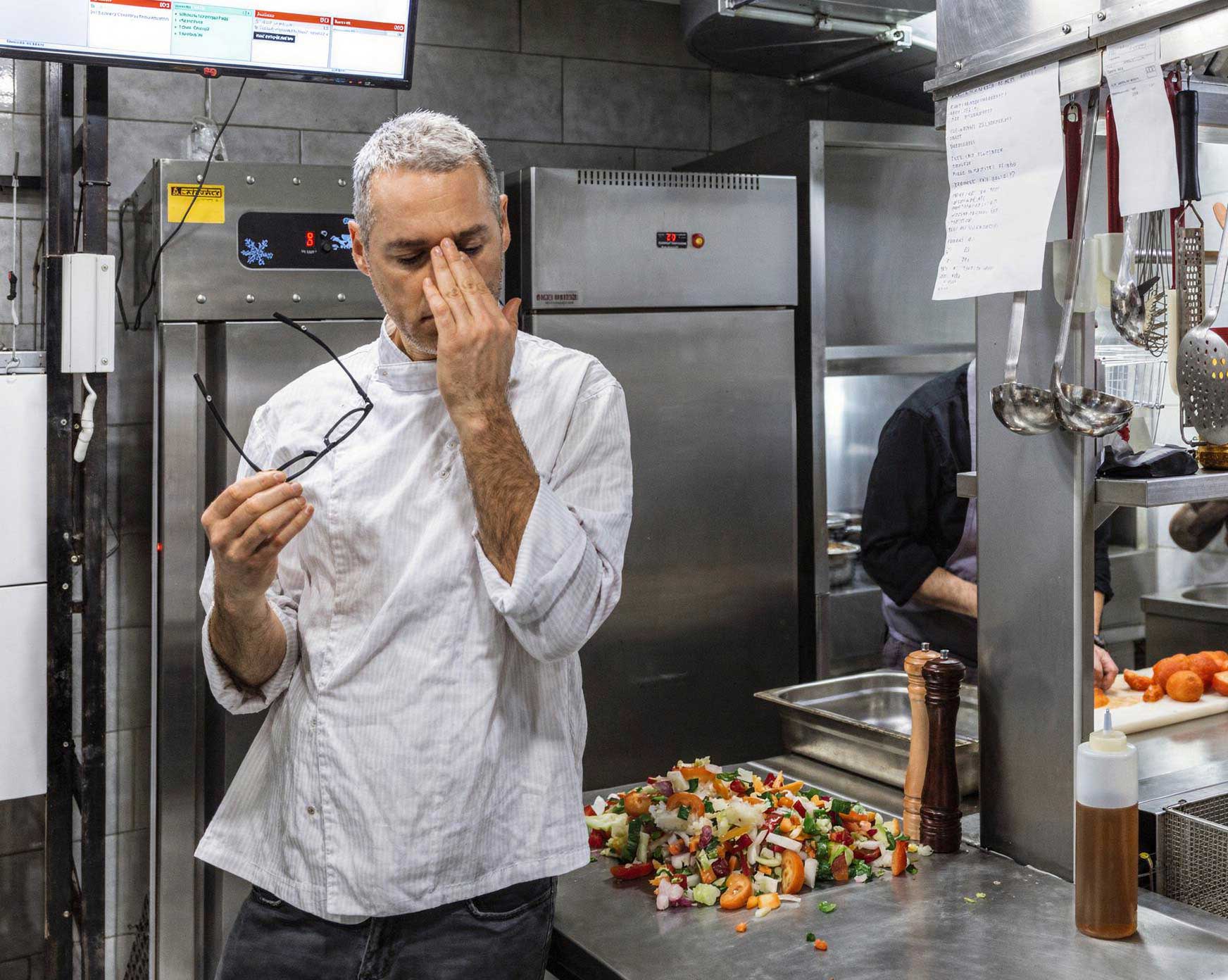
Operational Pain Points Regarding Labor
- Sick days
- No shows
- Lack of labor pool
- Inability to replicate the quality of employees over multi locations
- Under skilled cooks risking food quality, safety, and creating recipe drifts
- High mandated minimum wage levels
- Seasonal scheduling while trying to retain labor force
- Constant hire, train, and hire cycle
Total Labor Cost
A costly blind spot is accurately accounting for “Total” labor costs when figuring out menu pricing. Total labor is the peripheral cost that adds significantly more cost than was budgeted.
According to the Bureau of Labor statistics 2024 report, employer-paid benefits make up 30-31% of total compensation.
So in clarity, an hourly wage of $18.00/hour ends up to be $23.58/hour with Employer contributions to FICA, FUTA, SUTA, PTO and Workers Compensation.
Not to mention any overtime pay.
This is a huge blind spot that is rarely accounted for. If not incorporated into your food cost structure, it can grossly affect your perceived cost of labor of upwards of 25-40%.


“Labor cost is continuous; productivity is not.”
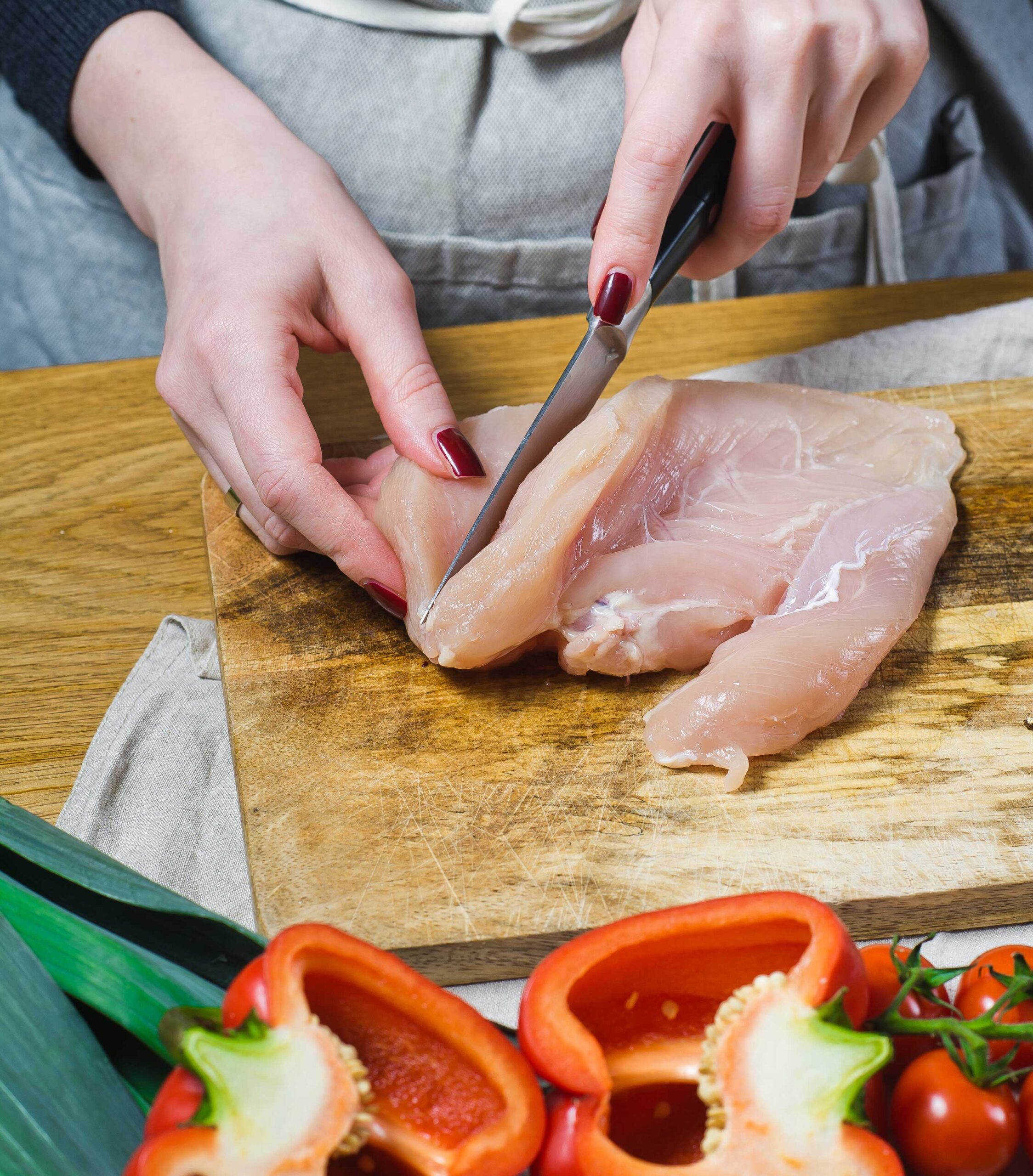
Pre-production labor
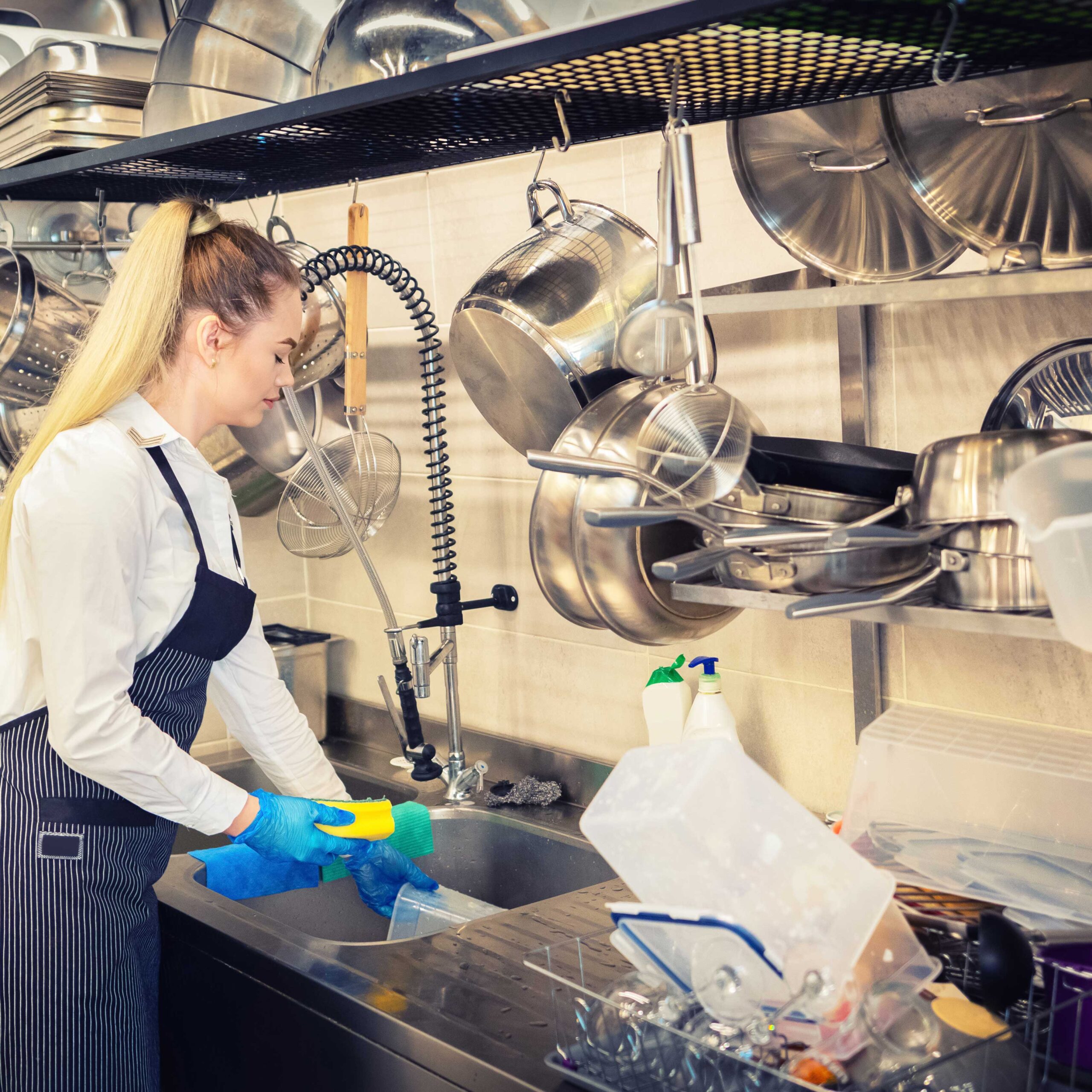
Post-production labor
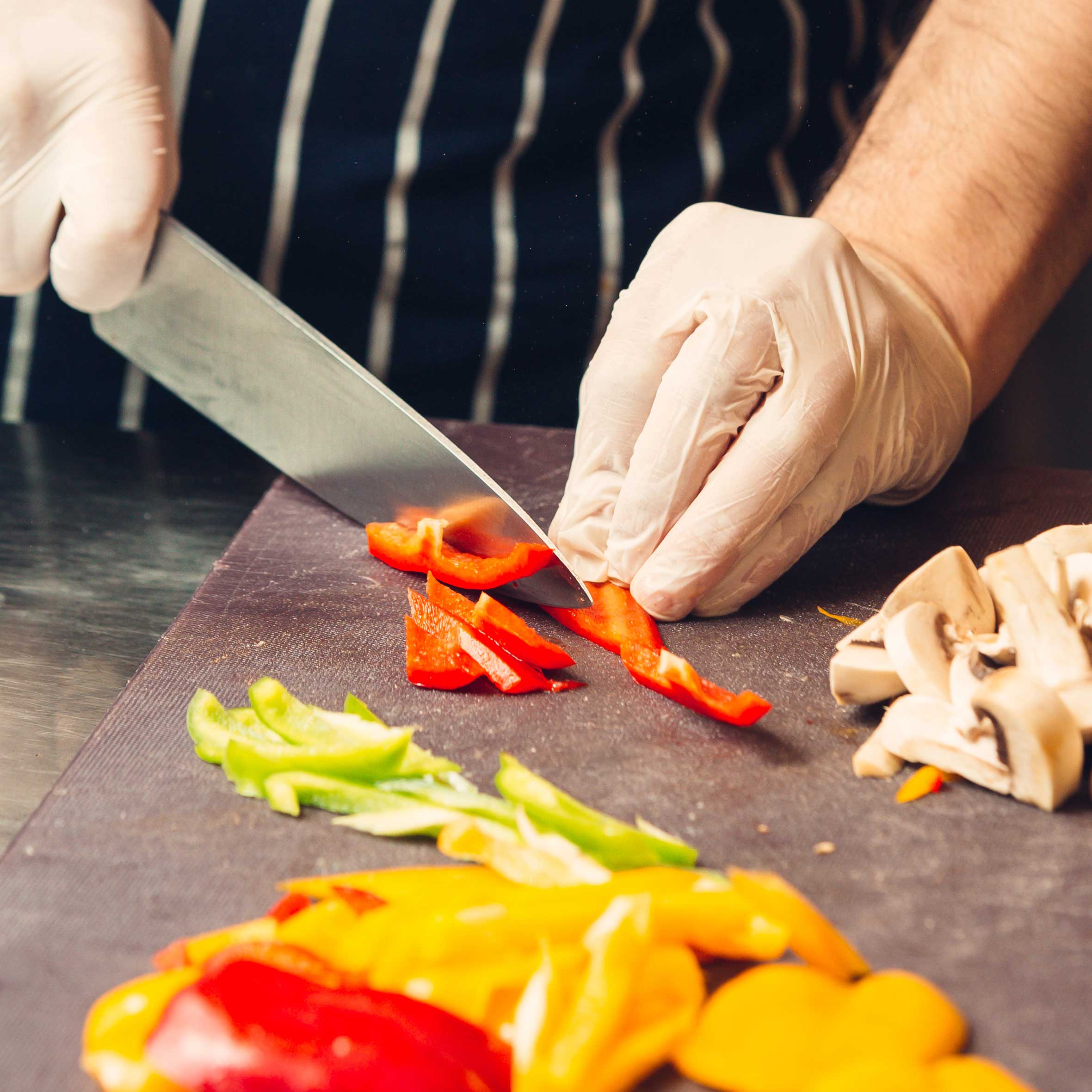
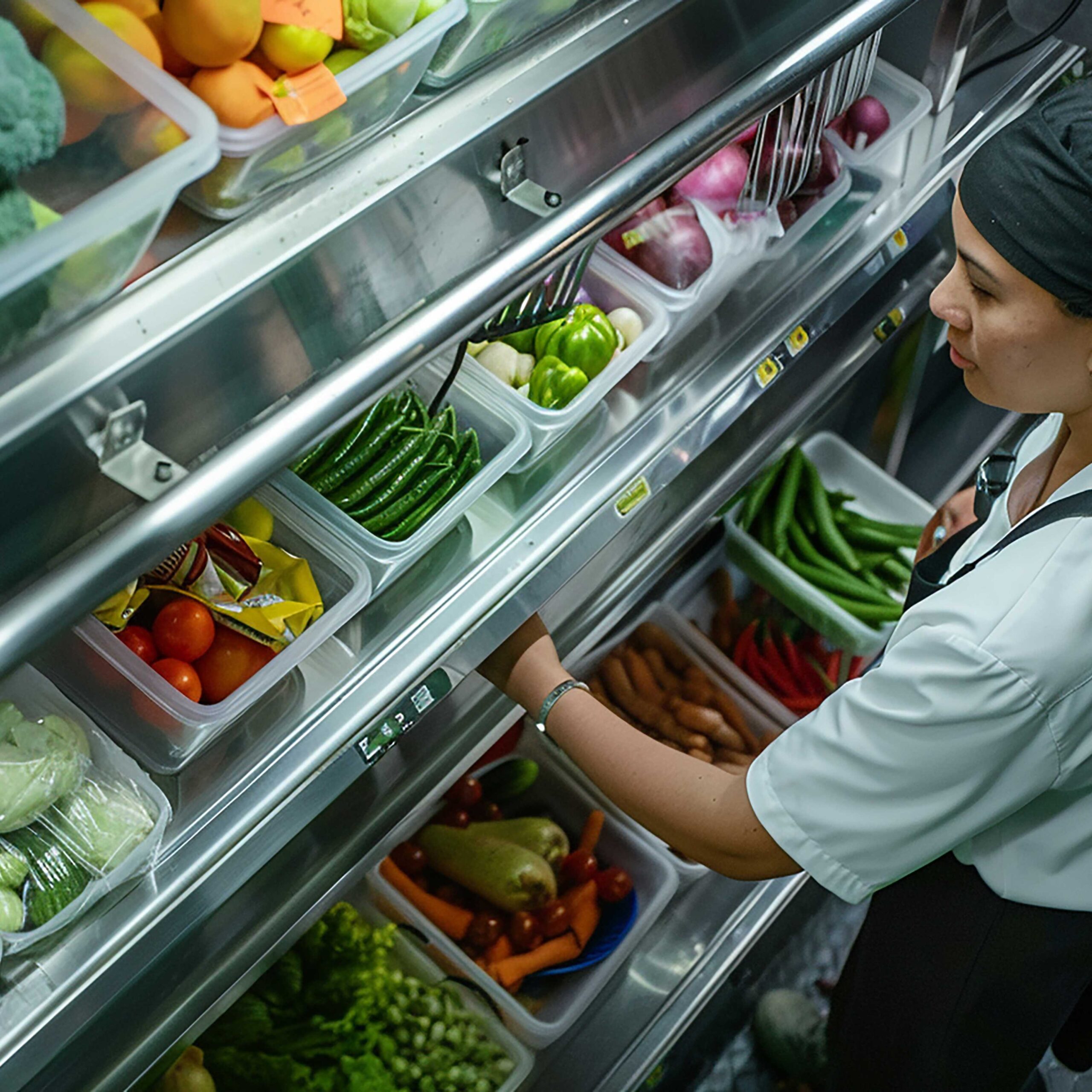
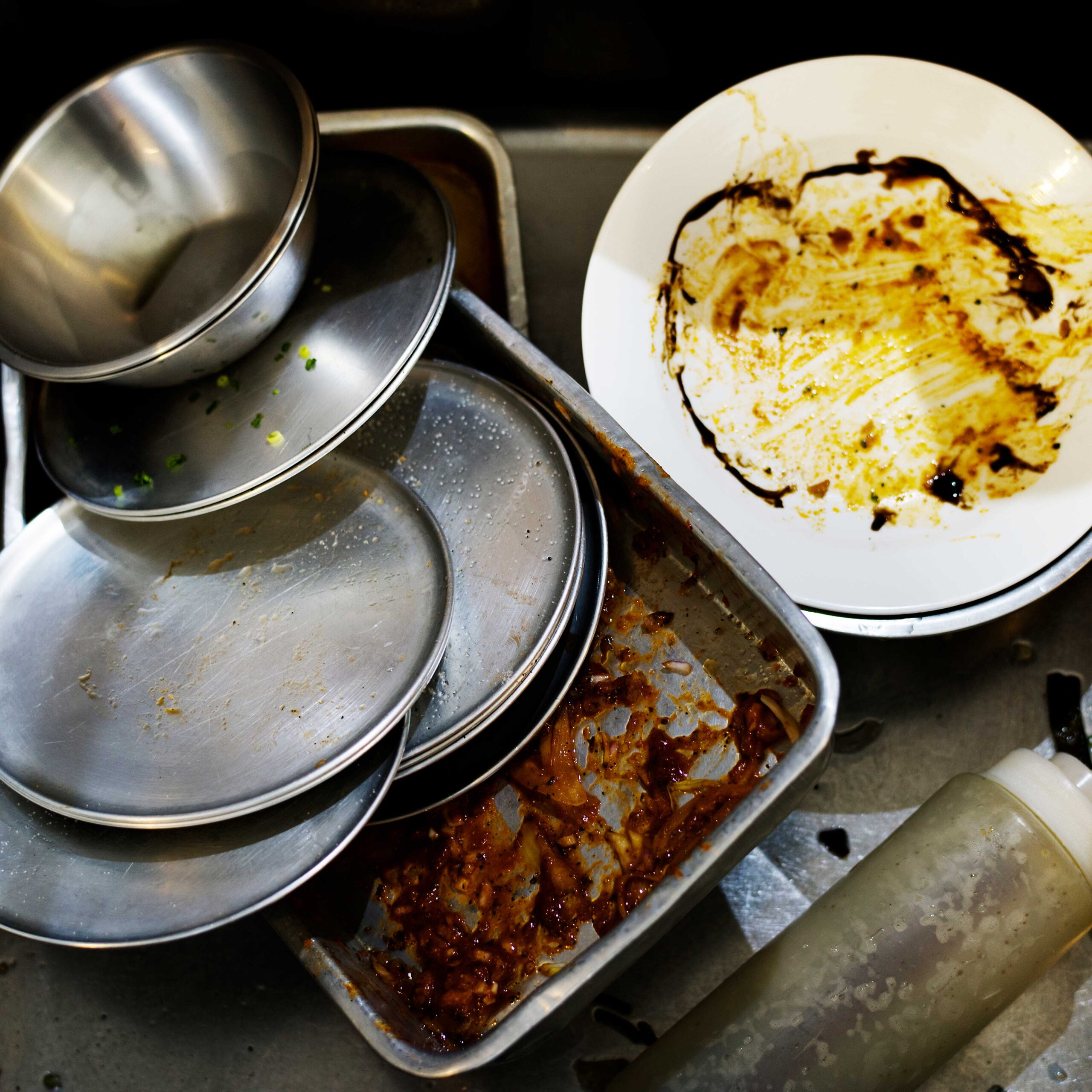
Pre-production labor is all the work required before any house made item is prepared.
- Receiving and checking in deliveries
- Putting product away (walk-in, dry storage, freezer)
- Pulling ingredients from multiple storage locations
- Washing, peeling, trimming, and cutting.
- Measuring and staging ingredients
- Sanitizing prep surfaces and tools
- Setting up burners, pots, and utensils
Post-production labor is all the work required after a prep item has been made.
- Chilling and portioning into line ready sizes
- Code dating and labeling
- Clean up of prep area of bags, boxes or cans.
- Return items to cooler or line
- Production paperwork updated
- Trash taken out of production area
- Sanitizing prep surfaces and tools
- Cleaning, pots, and utensils
Every minute an employee is on the time clock, the payroll meter keeps running;
even if they are simply putting on their work apron.
Accurate Food Cost Evaluation
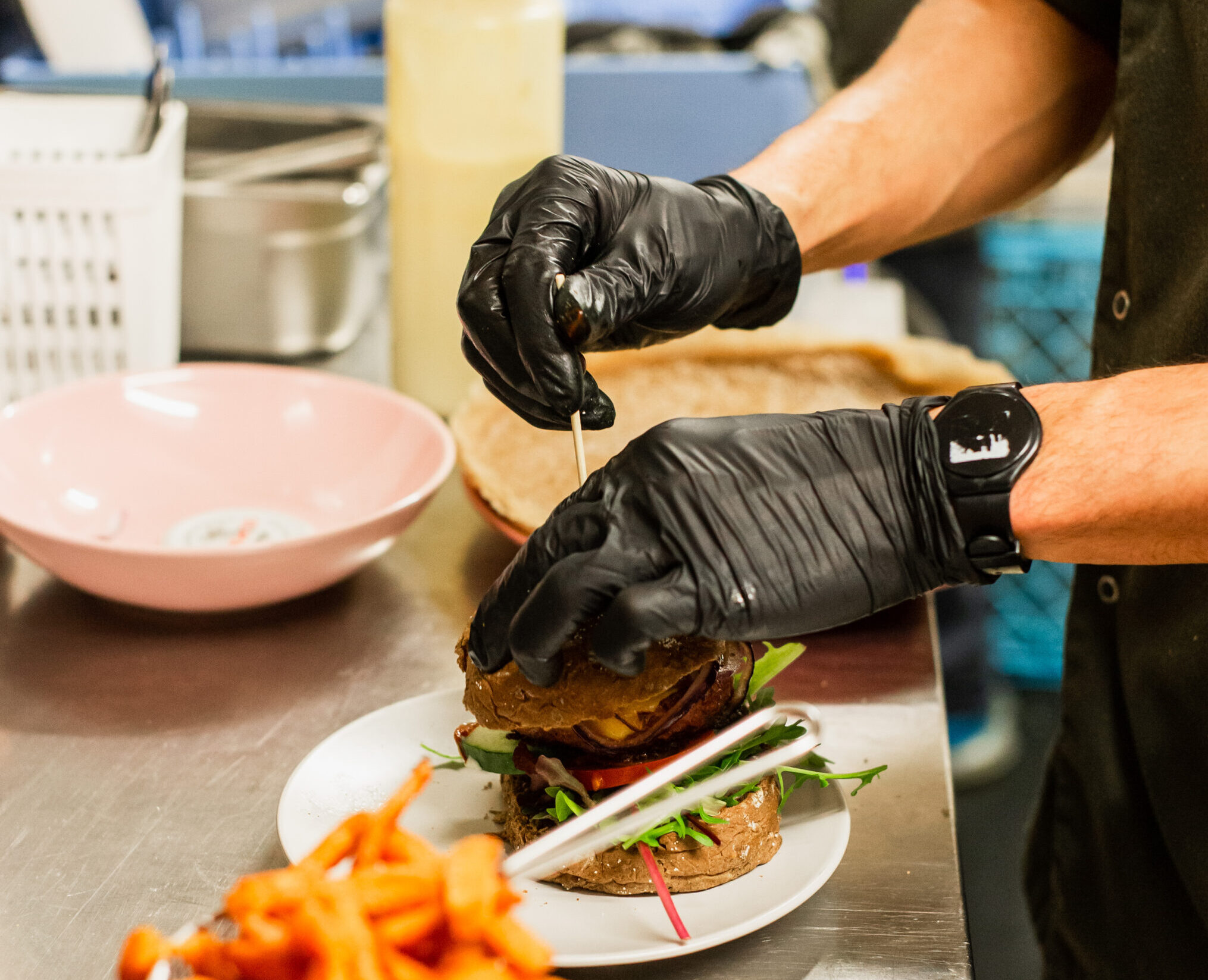
Often operations fail to recognize that they are literally buying food just to end up throwing it away. Worse yet, they pay to have it hauled away.
Many operators only use one segment of the whole process of preparing house made items when accounting for labor costs. They only account for labor while preparing an item, while overlooking pre-prep and post prep cost. Unlike cooking shows on TV, restaurants don’t start with ingredients that are magically cleaned, chopped, measured, and ready to use. There are an amazing amount of non-productive steps in making a single item at a restaurant that costs the same as the cook preparing the item. Prep labor costs the same to get the onion and peel it, as it is to dice and cook the onion. Accurate labor cost accounts for all the steps to prepare an item.
Predicting Daily Demands
Most food cost formulas only count the cooking time and ignore everything it took to get the ingredients into the pot.
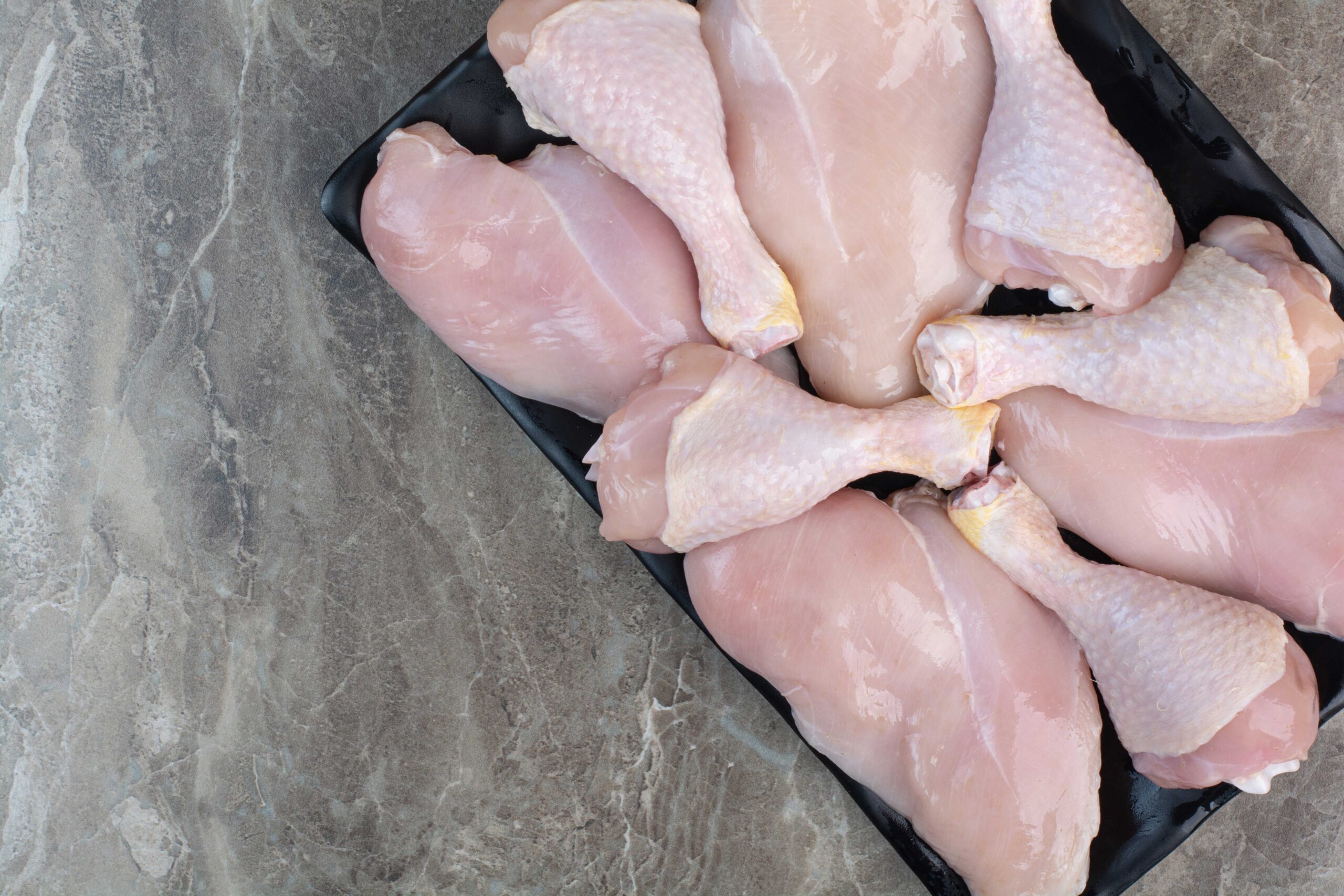
Restaurants are forced to prep against unknown demand, while raw ingredients like chicken have extremely limited shelf life—creating waste when volume dips and shortages when volume spikes. Worse, cooks PUSH the limits of food safe shelf-life expiration dates.
Inventory Control
With outsourced items you have absolute control on your inventory, while house made items are subject to waste, theft and drifting yields.
Waste Erodes Profit
If your cook errors on a recipe, over cooks prep items, mis-rotates inventory, this creates production waste and these end up in the trash.
Up to 40% of paid labor time produces zero output!
Food Safety
Food Safety is the one element in your chain that can sink your entire franchise brand with only one incident.
Food safety is fundamentally different in a USDA-inspected processing plant versus a typical restaurant kitchen. In a USDA facility, production occurs in a continuously refrigerated environment—often held at 37–40°F—specifically designed to suppress bacterial growth. Floors, walls, drains, and equipment are fully foamed, scrubbed, and sanitized on a daily (often shift-by-shift) basis under strict inspection and documented HACCP controls. By contrast, many restaurant kitchens operate at ambient temperatures that can reach 75°F or higher, where raw proteins like chicken are handled in conditions that actively accelerate bacterial growth. Cleaning is often limited to surface wipe-downs rather than full wash-downs, and sanitation consistency depends heavily on staffing, time pressure, and training.
The result is simple: cold, controlled, industrial environments are engineered for food safety, while warm kitchens are forced to manage risk rather than eliminate it.
According to the CDC* (2025)Approximately 800 food borne illness outbreaks occur in the United States each year, which includes around 15,000 illnesses and 20 deaths. Additionally, more than half of food borne illness outbreaks are associated with food from restaurants.
This highlights the significant role of cross-contamination in food borne illness, particularly in the context of restaurant settings.
Conclusion
Successful restaurant chains like yours don’t grow by manufacturing ingredients in-house. They grow by removing labor dependency, reducing risk, and buying ready-to-fire solutions.
McDonald’s doesn’t grind beef.
They don’t crack eggs for mayo.
They buy finished components—so the kitchen can focus on execution, not production.
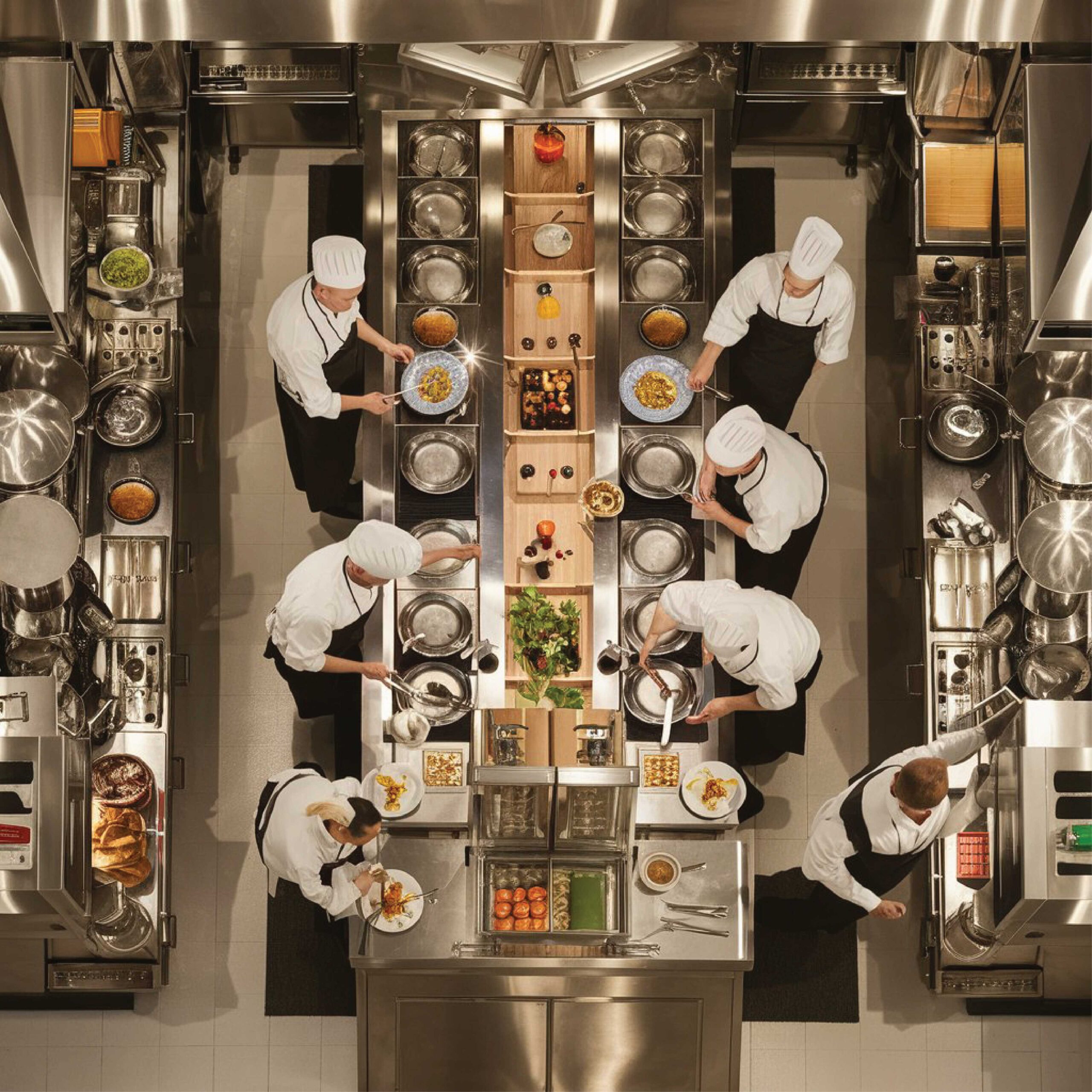
Outsourcing your products isn’t losing control-it’s gaining control.
It stabilizes quality, eliminates labor chaos, protects brand, frees your team and gives you the strongest foundation for expansion. Ready to break the wash, rinse and repeat cycle? Outsourcing your products is one of the most prudent operational moves you can make to grow your business.


Thanks for visiting! Can we answer any questions?

Email Us

Call Us

Company Location
9631 NE Colfax Street
Portland, OR 97220
Email Us
Call Us
We are thrilled to announce that Inc. magazine revealed that
Grayrose Culinary Solutions has earned the rank of No. 4501 on the 2026 Inc. 5000 list of the fastest-growing private companies in America, the most prestigious ranking of the nation’s fastest-growing private companies. The list represents a unique look at the most successful companies within the American economy’s most dynamic segment—its independent small businesses. Intuit, Zappos, Under Armour, Microsoft, Patagonia, and many other well-known names gained their first national exposure as honorees on the Inc. 5000.